
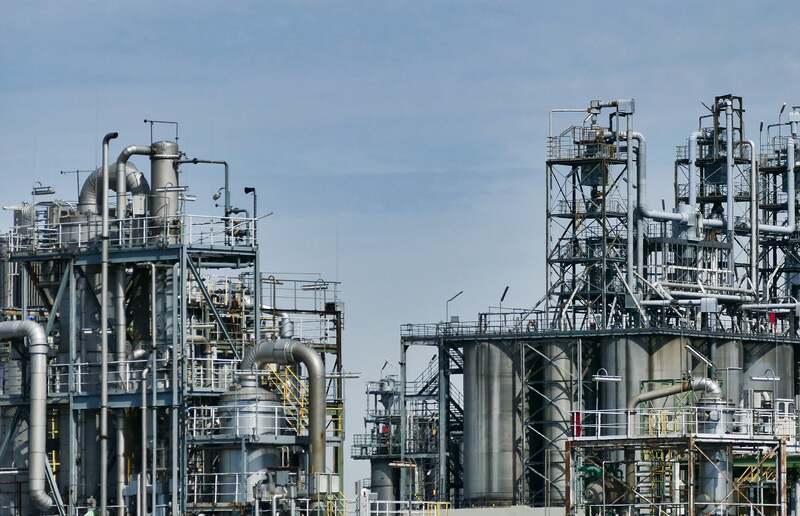
The chemical industry operates in a highly regulated environment where security, the product quality, the environmental protection and the operational continuity They are critical factors. In this context, industrial control systems play an essential role in managing complex processes, monitoring critical variables and ensuring that operations are carried out within established parameters.
However, the growing digitalization of chemical plants, along with the incorporation of technologies such as SCADA systems, DCS, advanced PLCs, data historians and real-time analysis tools, has increased the complexity of validation processes. The validation of control systems is no longer limited to checking the basic functionality of a piece of equipment, but must demonstrate in a documented manner that the system is capable of operating consistently, safely and in accordance with the defined requirements throughout its life cycle.
What is the validation of a control system?
Validation is a documented process that provides objective evidence that a system meets established specifications and is suitable for its intended use.
In the chemical industry, validation is typically applied to Distributed Control Systems (DCS), SCADA systems, Programmable Logic Controllers (PLC), Safety Instrumented Systems (SIS), data acquisition and storage systems, automated production equipment, and recipe and operation sequence management systems.
The main objective is to ensure that the system keeps the process under control, minimizes operational risks and ensures the integrity of the data generated.
Regulations and standards applicable to the validation of control systems
Although regulatory requirements are especially strict in the pharmaceutical industry, many best practices are equally applicable to the chemical industry.
Among the main references stand out:
| GAMP 5 (Good Automated Manufacturing Practice) | Developed by the International Society for Pharmaceutical Engineering (ISPE), it establishes a risk-based approach for the validation of computerized systems.
Its principles include:
|
| ISA-88 | Standard aimed at the automation of batch processes that facilitates:
|
| ISA-95 | Defines the integration between plant systems and corporate systems, facilitating information traceability. |
| IEC 61511 | Fundamental for Safety Instrumented Systems (SIS), establishes the requirements to ensure adequate safety integrity levels (SIL). |
| ISO 9001 and ISO 14001 | They provide requirements related to quality management and environmental aspects associated with the operation of automated systems. |
Main challenges in the validation of industrial control systems
1. Complexity of automation and control systems
Modern chemical plants integrate multiple technological platforms: PLCs from different manufacturers, industrial Ethernet networks, MES systems, IIoT platforms (Industrial Internet of Things), historical databases and advanced analytics systems. This integration generates multiple interfaces that must be verified to ensure a reliable flow of information.
Adopt a risk-based validation strategy that allows focusing efforts in critical process variables, security functions, alarm management and data integrity, since not all elements require the same level of verification.
2. Change management
A common reality in any chemical plant is the continuous modification of recipes, control logic, instrumentation, field equipment, and operating parameters. Each change can affect the validated state of the system.
Implement a robust change control procedure that contemplates impact evaluation, risk review, multidisciplinary approval, revalidation when appropriate and immediate documentary updating. Change traceability is essential to maintain operational compliance.
3. Data integrity
Digital transformation has turned data into a strategic asset for organizations. Control systems generate large volumes of information related to production, energy consumption, process variables, alarms and operational events. The loss or alteration of this data can affect both product quality and decision making.
As a solution, you can apply governance and data integrity principles: access control, user management, electronic auditing, automatic backups, temporal synchronization of systems and protection against unauthorized modifications.
4. Industrial cybersecurity and protection of critical infrastructures
The convergence between IT and OT has significantly expanded the risk surface of chemical facilities. Attacks directed at industrial infrastructures can cause production stops, loss of information, alteration of critical parameters and process safety incidents.
As a consequence, cybersecurity must be incorporated into the validation strategy to mitigate risks. Some recommended measures include network segmentation, industrial firewalls, patch management, control of external devices, continuous monitoring or the application of the IEC 62443 standard.
The validation must also verify aspects related to the protection of the system.
5. Importance of documentation in the validation of control systems
One of the most frequent problems in automation projects is the lack of updated documentation.
It is common to find outdated diagrams, incomplete specifications, lack of traceability between requirements and tests, and inconsistent versions of the software.
It is essential to maintain a documentary structure aligned with he life cycle of the system:
- URS (User Requirements Specification).
- FS (Functional Specification).
- DS (Design Specification).
- Risk analysis.
- IQ/OQ/PQ protocols.
- Validation reports.
- Change log.
The documentation must always reflect the real state of the installation.
Methodology for the validation of control systems in the chemical industry
An effective validation strategy is usually developed in the next phases:
| Definition of requirements (URS) | They are documented:
|
| risk assessment | They are identified:
Common tools:
|
| Document design and review | Verification of:
|
| FAT tests
|
Factory Acceptance Tests are performed at the manufacturer's facilities prior to delivery.
They allow early deviations to be detected and correction costs to be reduced. |
| SAT Tests | Site Acceptance Tests verify the behavior of the system once installed in the plant. |
| IQ, OQ and PQ |
|
| Maintaining validated state | Validation does not end with commissioning.
It is necessary to manage:
|
Future trends
Technological evolution is transforming the way control systems are validated.
Among the most relevant trends stand out:
| Digital Twins |
| Digital twins allow complete processes to be simulated before physical implementation, reducing risks during FAT and SAT. |
| Continuous validation |
| Modern systems allow critical parameters to be monitored in real time, facilitating more dynamic and performance-oriented validation. |
| Artificial intelligence |
AI can be used to:
|
| Document automation |
| Specialized tools allow you to automatically generate test and traceability evidence, significantly reducing the administrative burden. |
Conclusion
The validation of control systems has become a strategic discipline within the chemical industry. Beyond a regulatory or quality requirement, it represents a key tool to guarantee safe, efficient and sustainable operations.
Organizations that adopt risk-based approaches, integrate cybersecurity from the design and maintain adequate life cycle management of their systems obtain important benefits: reduction in operational incidents, greater plant availability, regulatory compliance and a better ability to face the challenges of Industry 4.0.
In an increasingly automated and digitalized environment, validation is no longer a one-off activity but has become a continuous process that accompanies the system throughout its useful life, ensuring that technology continues to add value to the business without compromising the safety or quality of the processes.
Are you planning the implementation, update or validation of a control system in your plant? A structured approach based on GAMP 5, risk management and good engineering practices will allow you to ensure regulatory compliance, optimize resources and maintain the integrity of your processes throughout the system lifecycle. Contact our specialists to evaluate the specific needs of your facility and define the most appropriate validation strategy.