
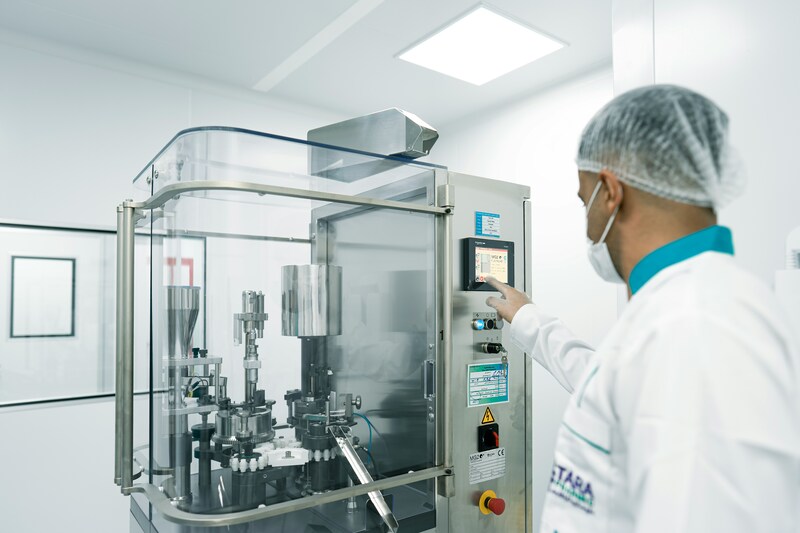
In the pharmaceutical industry, guarantee quality, security and effectiveness of products is an absolute priority. To do this, they are used automated control systems that They supervise and regulate critical manufacturing processes. However, to ensure that these systems operate reliably and comply with regulatory regulations, it is essential to carry out a rigorous process validation process.
What is the validation of control systems?
The validation of control systems is a documented procedure that Verify and guarantee that the systems used in the manufacturing and control processes comply with the Regulatory requirements, operate according to the specifications and They ensure data integrity. This process is key to guaranteeing product quality and compliance with regulations such as Good Manufacturing Practices (GMP), the FDA 21 CFT Part 11, and the regulations of the European Medicines Agency (EMA).
Importance of validation
The validation of these systems is fundamental For several reasons:
- Regulatory compliance: Guarantees that the company complies with the standards required by health authorities.
- Product security: Minimizes the risks of failures in the control of processes that may affect the quality of the medication.
- Data integrity: Ensures the reliability and traceability of electronic records.
- Process optimization: It improves operational efficiency and reduces inactivity times.
Stages of the validation process
The validation process of control systems consists of several phases:
- Functional Risk Assessment: Identification of possible failures and their impact on product quality.
- Functional and design specifications: Detailed documentation of the system operation.
- Installation qualification (IQ): Verification that the system has been installed correctly.
- Operation qualification (OQ): Tests to confirm that the system works according to the specifications.
- Performance qualification (PQ): Performance evaluation in real operating conditions.
- Change management and revalidations: Continuous control to ensure that any modification does not affect the validity of the system.
Challenges in the validation of control systems
The validation of these systems presents various Challenges, among them:
- The evolution technological and the integration of new digital tools.
- He compliance with regulations in increasingly automated environments.
- SAFE MANAGEMENT AND STORAGE Great volumes of electronic data.
The validation of control systems in the pharmaceutical industry It's not just a requirement normative, but a quality guarantee and security in the production of medications. Having validated processes allows companies to operate efficiently, minimizing risks and ensuring the Compliance with international standards.
In IDI, we offer specialized solutions in validation of control systems, ensuring compliance with the most demanding regulations. Do you want to know more? Contact us and discover how we can help you.