
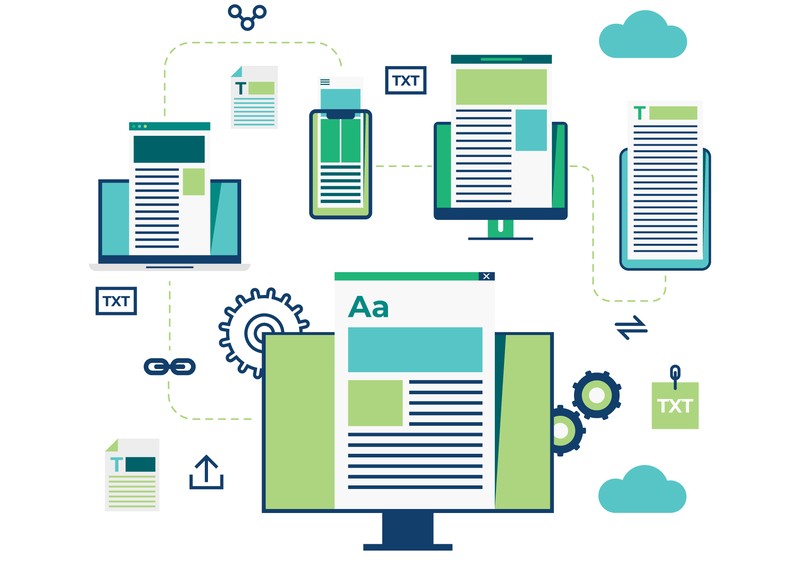
Digitalization is advancing steadily in the pharmaceutical industry, but operational reality shows that many organizations continue to work with hybrid systems in which paper records and electronic systems coexist. This model is especially common in areas such as production, quality, maintenance or engineering, where historical processes, equipment validation or daily operations mean that paper continues to play a relevant role.
The problem is not the coexistence of both supports, but the lack of a structured approach to Data Integrity. In audits and regulatory inspections, a significant part of the observations related to data integrity originate precisely in these hybrid environments: poorly controlled manual transcriptions, incomplete records, lack of traceability or inconsistencies between paper and electronic systems.
Correctly managing these environments not only reduces regulatory risk, but also improves the reliability of processes and reinforces the organization's quality culture.
Primary data and Data Integrity: the origin of information in hybrid systems
The first step in ensuring data integrity in a hybrid system is clearly identify where the original data is generated. Defining primary data avoids unnecessary duplication and eliminates risky practices such as reconstructing information a posteriori.
When it is not clear whether the data is born on paper or in an electronic system, the door is opened to inconsistencies, retrospective adjustments and loss of confidence in the information. On the contrary, when the data flow is well defined and documented, each record has a clear purpose and an appropriate level of control.
Organizations that work with this clarity from the design of the process usually face audits with greater robustness and fewer deviations related to “non-original data” or “uncontrolled copies.”
Paper records in GMP: how to avoid risks
The use of paper continues to be acceptable in GMP, but can no longer be considered an informal or secondary medium. In a regulated environment, a paper record is as critical as any computerized system.
Correctly design the formats, control their version and ensure that they comply with the principles ALCOA+ is key to preventing human errors. Confusing records, with blank spaces or ambiguous instructions generate variability and increase the risk of deviations, especially in repetitive operations.
When paper is managed with the same rigor as an electronic system, it stops being a weak point and becomes a reliable element of the quality system.
Transcribing data between paper and electronic systems
It is one of the most sensitive points in terms of data integrity. Whenever possible, it should be avoided. However, when it cannot be eliminated, it must be treated as a critical and controlled activity.
In these cases, good practices include:
- Define transcription as a procedurally regulated activity.
- Ensure that it is clear who enters the data and when.
- Establish independent verification that confirms the accuracy of the transcribed data.
- Avoid massive or retrospective transcription of information.
Companies with greater Data Integrity maturity not only control transcription, but actively question it as part of their risk assessments.
Paper controls and electronic systems
A common mistake in hybrid systems is to apply strict controls on electronic systems while leaving paper out of the same level of oversight. This lack of coherence turns paper into an alternative way to avoid controls, even if not intentionally.
A robust hybrid system applies the same principles of review, approval, archiving and monitoring regardless of media. When QA maintains visibility and control over both formats, the perception that one is “less important” than the other is eliminated.
The integrity of the data does not depend on the support, but on the consistency of the system that manages it.
Data Integrity Culture: the role of people
Most Data Integrity problems are not due to deliberate bad practices, but rather an incomplete understanding of what data integrity actually entails. Well-intentioned actions, such as “tidying up” a record after the operation or rewriting a piece of data to make it clearer, can become critical findings during an inspection.
Effective training goes beyond explaining how to fill out a record. Has to Help staff understand the real impact of their actions, the reason for regulatory requirements and the direct relationship between data integrity, product quality and patient safety.
When people understand the purpose, integrity is no longer an obligation and becomes part of everyday culture.
Data Integrity Risk Assessment in Hybrid Systems
Hybrid systems are constantly evolving. Changes in processes, incorporation of new equipment, modifications in forms or staff rotation can introduce risks that did not exist initially.
For this reason, Data integrity should be reviewed periodically through specific risk assessments. These reviews allow detect weak points before they become deviations, prioritize improvement actions and make decisions based on real risk.
Organizations that take a proactive approach come to audits and inspections with greater confidence and less exposure.
Well-managed hybrid systems: less risks, more regulatory confidence
Working with paper and electronic systems is not a weakness in itself. It is only when it is not managed with a clear, coherent approach and aligned with the principles of Data Integrity.
Companies that apply good practices in hybrid systems not only reduce regulatory risk, but also improve the reliability of their processes, reinforce their quality system and transmit confidence to clients, auditors and inspectors.
In our experience, many hybrid systems Seemingly controlled hide data integrity risks that only come to light during an audit or inspection.
If you want to know if your processes, records and data flows are really aligned with GMP and Data Integrity, we can help you to evaluate them in a structured and practical way.
We accompany organizations in the evaluation and improvement of hybrid systems, identifying risks, defining good practices and preparing processes for audits and inspections with confidence.
Contact us and transform your hybrid systems into a strength, not a risk.